High-Speed Spring-Type Pantographs – Reliable Current Collection for Modern Rail Operations
Overview
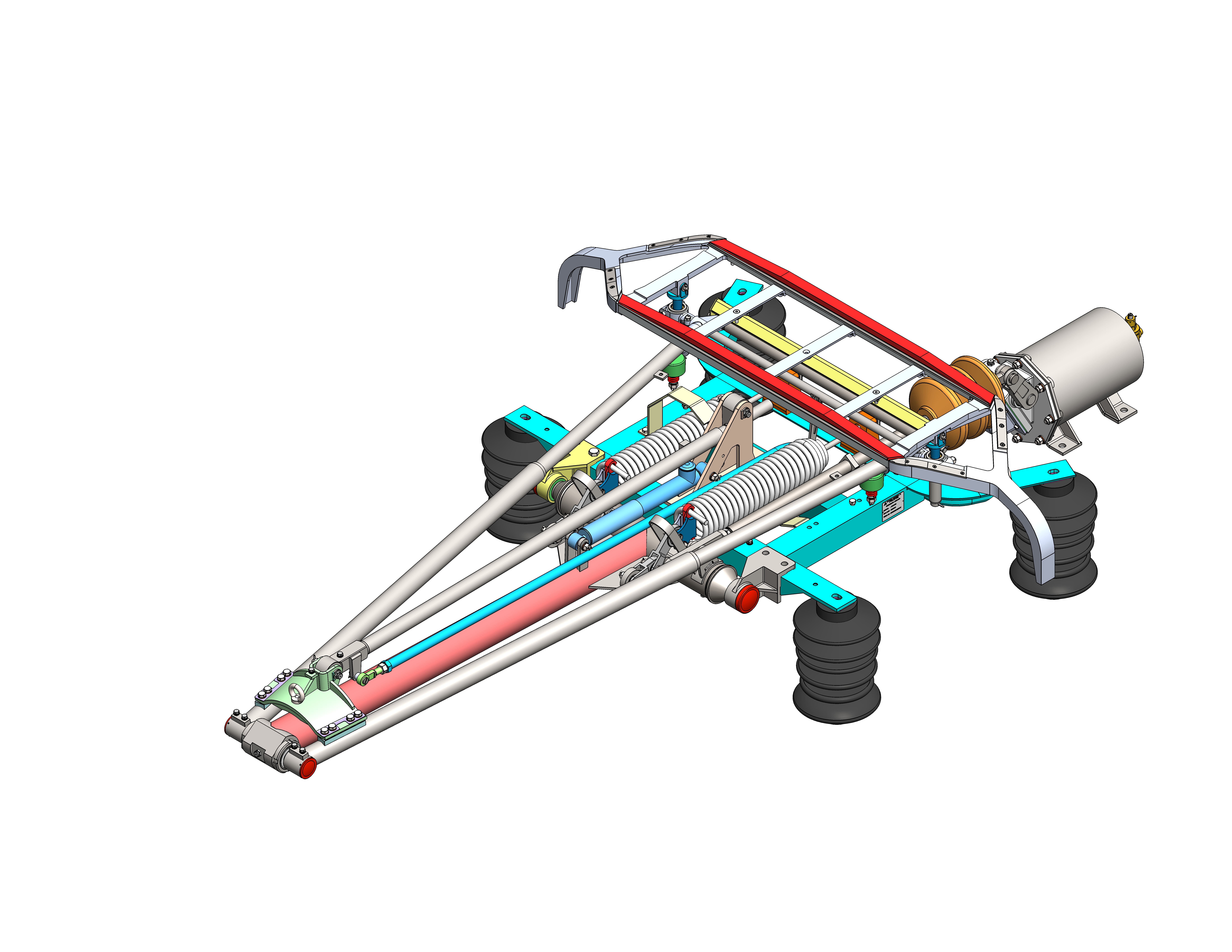
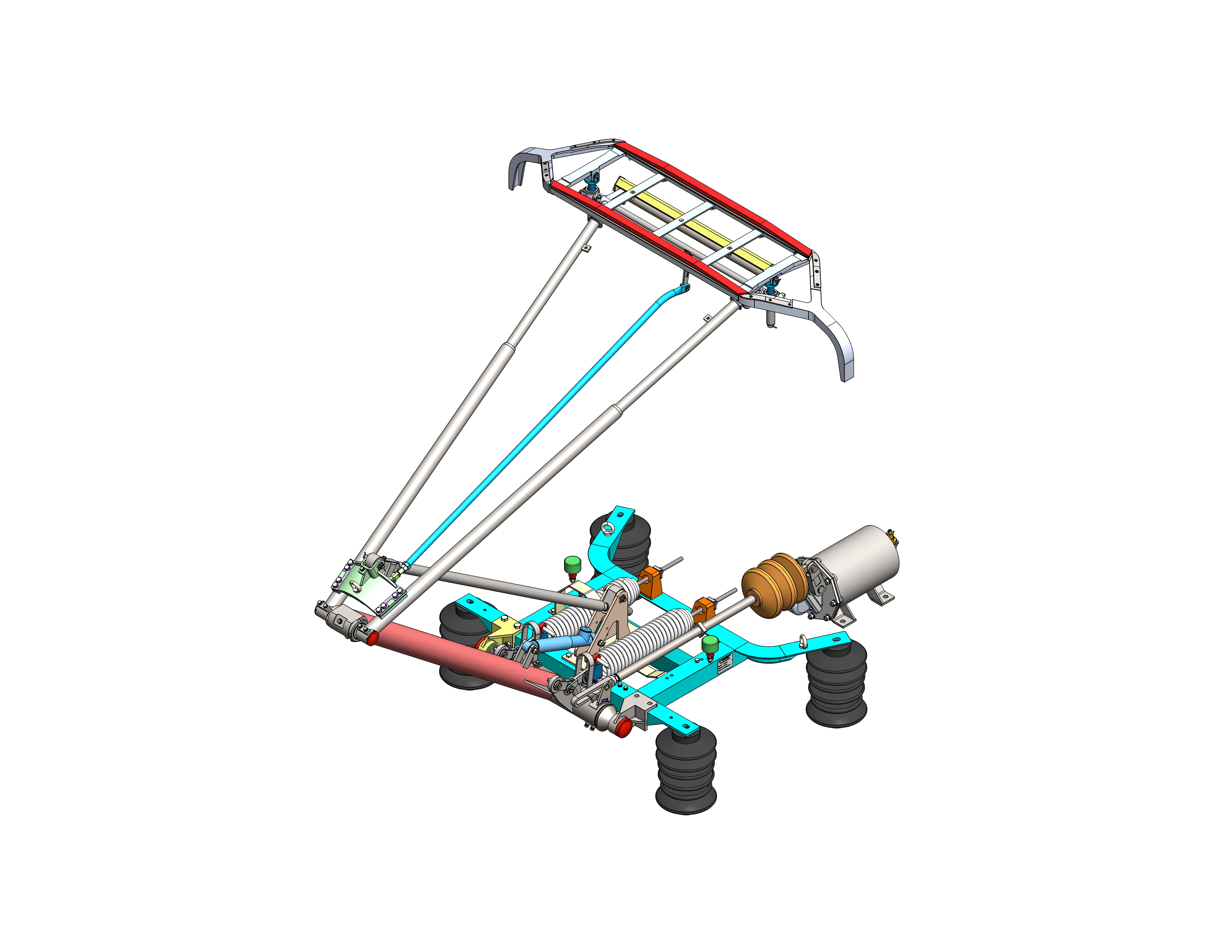
A pantograph is a roof-mounted mechanical device that enables electric trains, locomotives, or trams to draw power from an overhead catenary system. In high-speed spring-type pantographs, a system of springs ensures consistent upward contact force against the contact wire, maintaining reliable current collection even at high speeds and under varying track conditions. These pantographs feed electricity to the train’s traction motors and auxiliary systems, making them a critical component for uninterrupted, efficient rail operation.
Key Highlights:
- Designed for high-speed applications, ensuring stable current collection at speeds typically above 160 km/h.
- Lightweight yet robust frame construction to minimize aerodynamic drag and withstand high wind loads.
- VLow-maintenance design with easily replaceable contact strips for reduced downtime.
- Optimized for smooth interaction with catenary, reducing noise, vibration, and power losses.
Why Spring-Type for High-Speed?
Spring-type pantographs are mechanically simpler than pneumatic types, making them more reliable in regions with limited compressed air availability or where maintenance infrastructure is less extensive. Their passive spring mechanism ensures quick response to track and wire variations without dependency on external pressure systems, providing a cost-effective and durable solution for high-speed rail networks.